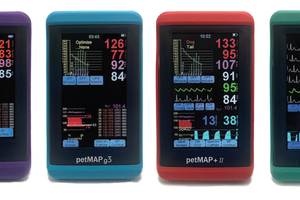
In modern veterinary practice, monitoring vital signs of an animal is the basis for high-quality diagnosis and safe treatment. One of these critical parameters is blood pressure (BP). That's why every clinic that cares about accurate diagnosis and patient comfort should have a veterinary blood pressure monitor. In this article, we will tell you when and why blood pressure measurement in animals is a necessity, not a luxury.
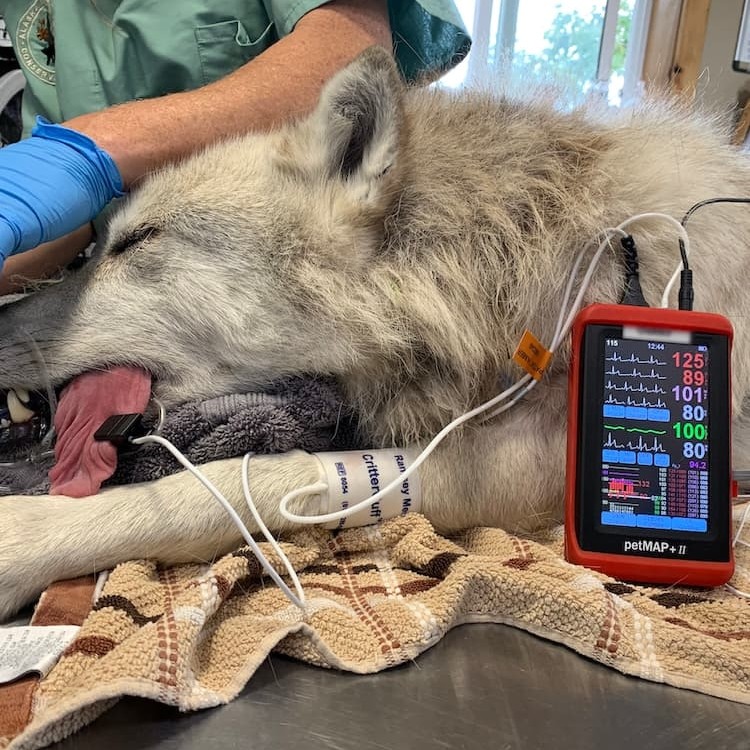
What does blood pressure measurement in animals show?
Blood pressure is an indicator that directly reflects the state of the cardiovascular system. Its changes can be a symptom not only of hypertension, but also of renal failure, diabetes mellitus, heart disease, neurological disorders, and even tumours. Timely measurement helps to detect pathologies at an early stage, start treatment and avoid complications.
In clinical practice, animal blood pressure is measured
- before surgery or sedation;
- during anaesthesia (to monitor the patient's condition);
- in patients with chronic diseases of the kidneys, heart, and adrenal glands;
- in case of suspected hypertension or hypotension;
- for regular monitoring of the condition of older animals.
What is the difference between a veterinary blood pressure monitor?
Unlike human devices, veterinary blood pressure monitors are designed with the anatomy and behaviour of animals in mind. They take into account
- size and type of patient (cat, dog, rabbit, etc.)
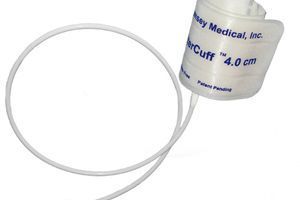
- the area where the cuff is applied (tail, paw);
- the need for quick, painless measurement;
- work in stressful or field conditions.
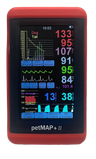
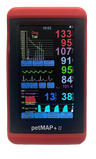
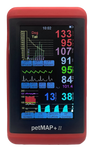
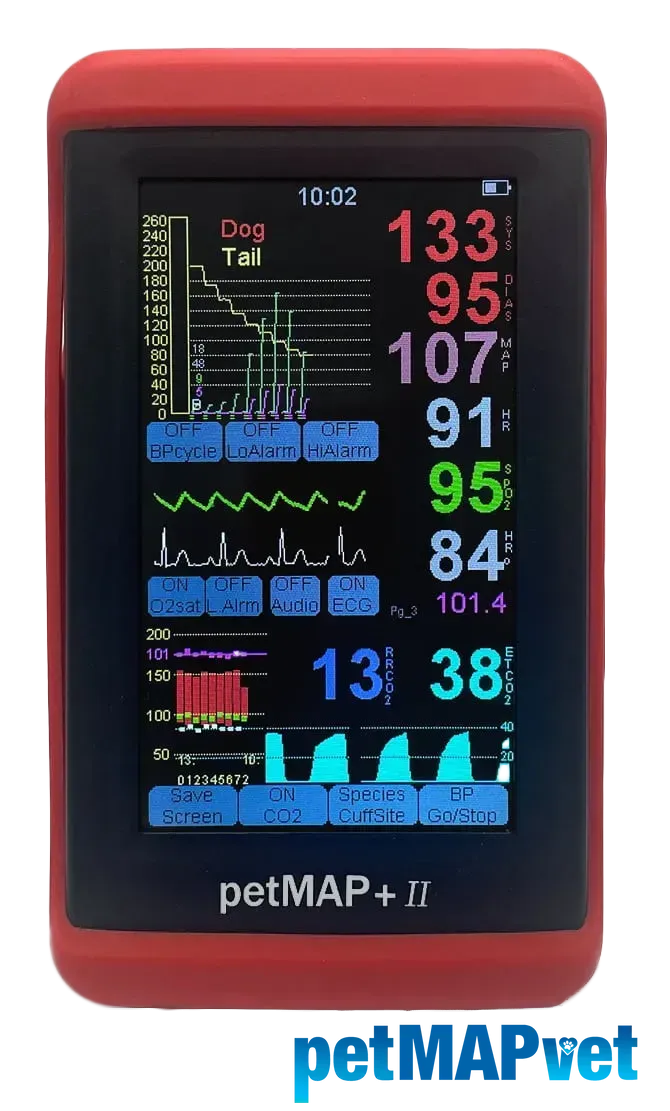
For example, petMAP blood pressure monitors have special PPO (PetMAP Proprietary Optimisations) settings that increase measurement accuracy. Their oscillometric technology allows you to obtain data even from restless or active patients without the need for sedation.
What else does a blood pressure monitor measure?
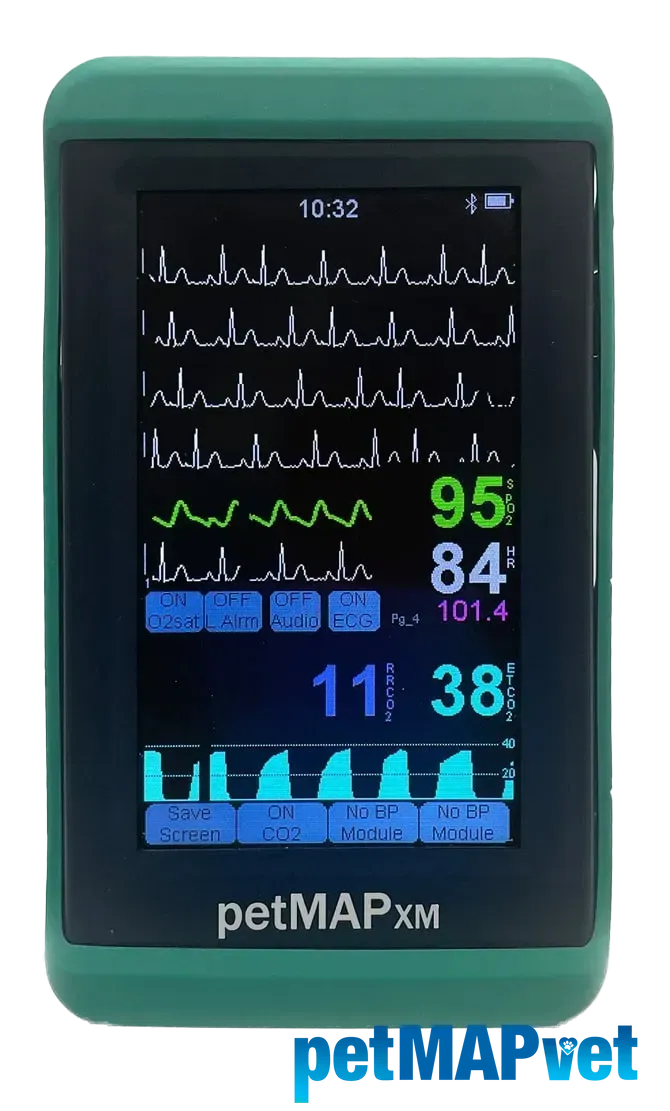
Many modern models of blood pressure monitors for veterinary use, such as the petMAP XM or petMAP+ II, can measure
- temperature (rectal or oesophageal)
- SpO₂ saturation (blood oxygen saturation);
- ECG parameters (in advanced models);
- CO₂ (when the corresponding module is connected).
Conclusion
A tonometer in veterinary medicine is not a luxury, but a basic tool for safe and modern practice. Regular blood pressure monitoring allows you to make accurate clinical decisions, perform safe anaesthesia, and detect health problems in time. Therefore, if you do not yet use a blood pressure monitor in your clinic, it is time to do so.
petMAP.vet offers official veterinary blood pressure monitors and accessories with delivery across Ukraine. Check out our catalogue and choose the right device for your practice.